Quality restoration methods help preserve furniture by improving its appearance, comfort, and functionality without requiring extensive replacement. Thoughtful restoration techniques support long term usability while refreshing furniture in an efficient and practical manner.
Restoring Furniture With Care And Precision
Effective restoration focuses on improving furniture through careful attention to detail. These methods help maintain the original structure while enhancing comfort and visual appeal for continued everyday use.
- Improves furniture appearance through careful restoration
- Preserves important structural features
- Supports comfortable and reliable daily use
- Encourages long lasting furniture performance
Enhancing Durability Through Practical Solutions
Quality restoration methods strengthen furniture by addressing areas that require attention before they develop into larger concerns. Regular improvements help maintain durability while extending the useful life of furniture.
- Helps reduce the effects of everyday wear
- Supports stronger and more reliable furniture
- Maintains functionality through timely restoration
- Encourages long term furniture preservation
Improving Appearance Without Major Changes
Furniture restoration offers an excellent way to refresh existing pieces while maintaining their familiar character. Careful techniques improve visual appeal without requiring significant disruption to everyday routines.
- Refreshes furniture with effective restoration methods
- Maintains attractive and welcoming surroundings
- Preserves the original style and comfort
- Creates a renewed and polished appearance
Supporting Clean And Comfortable Living Spaces
Well-maintained furniture contributes to pleasant and comfortable environments. Restoration methods combined with meubelreiniging help improve cleanliness and preserve furniture quality while supporting a more enjoyable setting.
- Promotes cleaner and more inviting furniture
- Enhances comfort through thoughtful maintenance
- Supports healthier and more pleasant surroundings
- Encourages regular care for lasting quality
Maintaining Furniture Value Over Time
Consistent restoration helps furniture retain its usefulness and overall condition. By focusing on quality improvements, furniture remains dependable while continuing to provide comfort and functionality.
- Preserves long term furniture value
- Supports continued performance through maintenance
- Helps protect furniture from unnecessary deterioration
- Encourages responsible furniture care
Creating Efficient Restoration Experiences
Quality restoration methods allow furniture improvements to be completed with minimal interruption. Practical solutions make it possible to refresh furniture while maintaining normal daily activities and comfort.
- Reduces inconvenience during restoration work
- Supports efficient improvement processes
- Helps maintain regular routines with ease
- Encourages practical and organized furniture care
Encouraging Long Lasting Comfort And Reliability
Restoration techniques provide lasting benefits by improving both the appearance and performance of furniture. Continued maintenance helps create dependable furniture that remains comfortable and attractive for years.
- Supports consistent comfort through restoration
- Improves reliability with careful maintenance
- Encourages lasting satisfaction through quality care
- Promotes confidence in furniture performance
Quality restoration methods offer an effective way to refresh furniture without major disruption. By preserving appearance, strengthening durability, and maintaining everyday comfort, these approaches help furniture continue serving its purpose for many years. Regular restoration and proper care create welcoming spaces while supporting long term value, dependable performance, and lasting enjoyment.


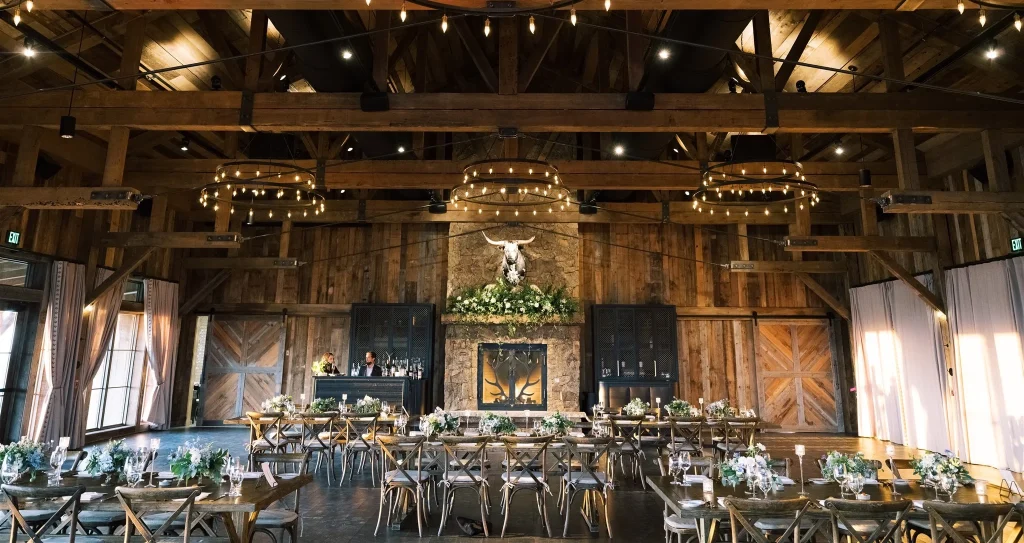 The artistry of a wedding planner lies in translating these whispers into tangible elements that define the celebration. From selecting the perfect venue that resonates with the couple’s story to curating a personalized color palette that reflects their personalities, every detail is thoughtfully considered. The goal is to create an immersive experience where guests do not just witness the union but feel the love that binds the couple. In the hands of an expert wedding planner, even the most intricate details are seamlessly woven together. From the ethereal fragrance of the flowers to the carefully chosen music that sets the tone, every aspect is curated to evoke emotions and create lasting memories. The dance of light, the texture of fabrics, and the flavors of the cuisine all these elements harmonize to craft an atmosphere where love takes center stage. Furthermore, a wedding planner serves as a calming presence amidst the whirlwind of emotions that often accompany the wedding planning process. They navigate challenges with grace, ensuring that the couple remains focused on the joy of their union. The magic, however, extends beyond the wedding day itself.
 Choosing a fuel-efficient and appropriately sized vehicle for your move is crucial. If possible, select a moving company that operates a fleet of eco-friendly trucks or one that offers hybrid or electric vehicle options. For short-distance moves, using a smaller vehicle or even carpooling can significantly reduce your carbon footprint. If you are moving across long distances, consider using rail or sea transport for a more sustainable option. The packing process is also a key area where eco-friendly choices can make a difference. Instead of buying new moving boxes, check with local grocery stores, bookshops, or recycling centers for used boxes. When wrapping fragile items, use your clothing or linens as padding, eliminating the need for excess packaging materials. Sustainable packing peanuts made from biodegradable materials are an eco-friendly alternative to traditional Styrofoam. When it comes to cleaning and preparing your new home, opt for environmentally friendly cleaning products. These products are safer for you, your family, and the planet.