General

Using Snow Day Predictions to Organize Daily School Plans

By on October 29, 2026

Planning ahead becomes easier when families understand how snowfall forecasts and school closure predictions may influence daily schedules. These estimates provide useful guidance for preparing children, arranging activities, and managing household responsibilities with confidence.

An online snowday calculator can help families estimate the possibility of a school closure by considering expected snowfall, temperature, and other winter weather conditions. Although predictions are not official decisions, they offer a helpful starting point for organizing flexible plans.

Preparing for Different Winter Scenarios

A thoughtful plan allows families to respond comfortably when weather conditions change. Preparing for several possibilities reduces last-minute confusion and supports a smoother morning routine.

  • Review weather forecasts: Check expected snowfall and temperature changes.
  • Prepare school essentials: Keep books, stationery, and assignments organized.
  • Arrange transportation: Consider how winter conditions might affect regular travel.
  • Plan alternative activities: Prepare enjoyable indoor options for unexpected free time.
  • Organize meals: Keep convenient breakfast and lunch choices available.
  • Set flexible schedules: Allow room for adjustments when new information appears.

These simple preparations help children and parents feel ready for different outcomes while maintaining a positive approach to winter weather.

Using Predictions to Manage Morning Routines

Snow DayEarly preparation makes school mornings more manageable, especially when forecasts suggest changing conditions overnight. Families can review available information before bedtime and make practical arrangements for the following day.

  • Set an appropriate bedtime to ensure children receive sufficient rest.
  • Place winter clothing and footwear in an accessible location.
  • Prepare school bags before going to sleep.
  • Review transportation arrangements when necessary.
  • Keep essential items together for a quicker morning routine.
  • Check official school announcements before changing attendance plans.

Following these steps creates a more organized start to the day and gives everyone additional time to make informed decisions.

Creating Productive Plans for a Snow Day

When a school closure is confirmed, families can transform the unexpected break into a rewarding experience. A balanced schedule combines learning, relaxation, creativity, and family time.

  • Learning time: Complete assignments and review important lessons.
  • Creative activities: Enjoy drawing, reading, crafts, or imaginative projects.
  • Family moments: Share conversations, games, and indoor entertainment.
  • Physical movement: Include safe indoor exercises and stretching.
  • Rest periods: Balance activities with comfortable breaks.
  • Preparation time: Organize materials for the next school day.

A flexible routine keeps children engaged without making the day feel overly structured.

Staying Flexible With Updated Information

Weather predictions can change as new forecasts become available. Checking reliable updates helps families understand developing conditions and adjust their plans appropriately. Combining forecast estimates with official announcements provides a more dependable approach to daily scheduling.

Parents can also discuss possible changes with children in advance. Clear communication helps everyone understand that school attendance depends on confirmed decisions rather than predictions alone.

Building Better Winter Planning Habits

Consistent preparation can make seasonal changes easier to manage throughout winter. Families benefit from keeping essential supplies ready, maintaining regular sleep schedules, and discussing backup arrangements before severe weather develops.

By combining thoughtful preparation, flexible routines, and timely information, families can organize school responsibilities with greater confidence. Snow day predictions become a practical planning aid, helping parents balance educational needs, household activities, and enjoyable winter experiences while remaining ready for whatever the forecast brings.


Continue Reading

Shopping

Stylish Canopy Beds for Comfortable and Peaceful Sleeping

By on October 24, 2026

A peaceful bedroom begins with furniture that combines beauty, comfort, and functionality. Canopy beds create an inviting atmosphere by adding height, elegance, and a sense of privacy to the sleeping area. Their distinctive frames transform ordinary interiors into relaxing retreats where restful nights and refreshing mornings become part of everyday living. With thoughtful styling and comfortable bedding, these beds offer a wonderful balance of sophistication and relaxation.

1. Elegant Designs for Modern Bedrooms

Canopy beds bring a timeless appearance to bedroom interiors while complementing different decorative preferences. Their graceful frames create an attractive focal point without requiring excessive accessories.

  • Beautiful frame designs: Choose clean lines for a modern appearance.
  • Soft fabric accents: Add flowing curtains for a gentle atmosphere.
  • Natural finishes: Incorporate warm textures for a welcoming feel.
  • Minimalist styling: Keep decorations simple for a balanced appearance.
  • Coordinated bedding: Match sheets and pillows to the overall design.

2. Creating a Comfortable Sleeping Environment

Comfort is essential for quality sleep, and the right bed design can make the bedroom feel more inviting. A carefully selected canopy bed encourages a soothing atmosphere through its proportions, materials, and decorative possibilities. For those who appreciate traditional elegance, a Hemelbed can become an attractive centerpiece that combines distinctive styling with everyday comfort.

Consider these additions to improve the sleeping experience:

  • Select a supportive mattress suited to personal preferences.
  • Use breathable sheets for a pleasant sleeping temperature.
  • Layer lightweight blankets for adjustable comfort.
  • Choose soft pillows that support a comfortable sleeping position.
  • Keep bedside essentials organized for a clutter-free environment.

3. Personalizing the Canopy for Peaceful Nights

Stylish Beds

A canopy frame offers plenty of opportunities to create a personal sleeping space. Different fabrics, colors, and lighting arrangements can change the atmosphere while maintaining a cohesive bedroom design.

  • Sheer curtains: Create a light, airy, and graceful appearance.
  • Neutral colors: Encourage a calm and harmonious visual effect.
  • Soft lighting: Support a relaxing mood before bedtime.
  • Textured throws: Introduce warmth and an appealing layered look.
  • Subtle decorations: Preserve an uncluttered and restful environment.

4. Practical Benefits for Everyday Living

Beyond appearance, canopy beds can contribute to a more organized and versatile bedroom. Selecting a suitable frame size and thoughtful accessories helps create a space that feels both functional and beautiful.

  • Measure the room to maintain comfortable walking space.
  • Select durable materials for dependable everyday use.
  • Coordinate the frame with existing bedroom furniture.
  • Keep curtains easy to open, close, and maintain.
  • Arrange storage solutions to keep personal belongings tidy.
  • Choose versatile colors that remain attractive as decor changes.

5. Maintaining Lasting Beauty and Comfort

Regular care helps preserve the appearance of a canopy bed and supports a clean sleeping environment. Simple maintenance habits also keep fabrics fresh and furniture looking attractive.

  • Dust the frame regularly with a suitable soft cloth.
  • Wash bedding according to its care instructions.
  • Clean canopy fabrics as recommended for their material.
  • Check frame fittings periodically for stability.
  • Refresh decorative layers to suit seasonal comfort.

Enjoy a More Relaxing Bedroom

Stylish canopy beds bring together visual elegance, personal expression, and practical comfort. By choosing suitable materials, coordinating calming colors, and maintaining a tidy sleeping area, homeowners can create a bedroom that feels welcoming throughout the year. Thoughtful details make the difference, turning the bed into a beautiful centerpiece and supporting a peaceful atmosphere for comfortable, refreshing sleep.

Continue Reading

Business

Medical Protective Coveralls: What Buyers Need to Know About Protection Standards

By on October 23, 2026


Chemical Protective Coverall A procurement manager once emailed me a purchase order for 40,000 medical protective coveralls. The technical description read: “non-woven, waterproof, white.” That was it. Four words standing between a hospital’s nursing staff and whatever walks into the triage room on a bad Tuesday. He wasn’t being careless. He simply didn’t know which questions to ask, and nobody on the supplier side had volunteered the answers.
So let’s fix that.

THE WORD “PROTECTIVE” MEANS ALMOST NOTHING ON ITS OWN

Search any B2B marketplace and you’ll find thousands of listings using the same vocabulary: protective, disposable, medical-grade, anti-virus, waterproof. None of those words are regulated. A coverall that keeps dust off a painter’s shirt and a coverall that holds up against pressurized liquid chemical jets can both be marketed as “protective.” The only thing that separates them is a certification number printed on the label and a test report nobody asked for.

That’s where standards come in. They’re not bureaucracy. They’re the difference between a garment that has been mechanically challenged by a lab and a garment that has been described nicely by a copywriter.

THE EN 14126 SUFFIX IS THE PART MOST BUYERS MISS

If you’re sourcing for healthcare, infection control, or any environment where blood, body fluids, or aerosolized pathogens are in play, the standard you want on the certificate is EN 14126. It’s the European standard for clothing protecting against infective agents, and it’s the closest thing the industry has to a meaningful benchmark for medical coveralls.

But here’s the trap. EN 14126 is not a standalone type classification. It’s a suffix that gets attached to a base type. A coverall certified to Type 6 with infective agent protection reads as “Type 6-B.” A Type 3 version reads as “Type 3-B.” That letter matters enormously.

The base types break down roughly like this:

Type 1 and Type 2 are gas-tight and non-gas-tight suits for chemical emergencies. You will almost never buy these for clinical use.

Type 3 is liquid-tight, tested against a directed jet of liquid. Type 4 is spray-tight. These are the heavyweights, and they’re what you want for high-volume fluid exposure or decontamination work.

Type 5 covers airborne solid particulates. Type 6 covers limited liquid splashes and light aerosol. Type 6 is the workhorse of most medical procurement, and it’s also the most frequently overstated.

Now the -B suffix. To earn it, the fabric and seams have to pass four separate test methods: resistance to penetration by synthetic blood under pressure (ISO 16603), resistance to bacteriophage penetration (ISO 16604), wet bacterial penetration under mechanical contact (ISO 22610), and dry microbial particulate resistance (ISO 22612). A coverall can pass the base type test with flying colors and still fail every one of those. Two different products. Same glossy brochure.

SEAMS FAIL BEFORE FABRIC DOES

Ask any lab technician which part of a coverall gives out first and you’ll get the same answer. It’s never the fabric. It’s the seam.

Untaped stitched seams are essentially perforated lines running down the arms, legs, and torso. Under any meaningful fluid pressure, they leak. Taped seams — heat-sealed over the stitch line — are what close that gap, and they’re the single most common cost-cutting target when a supplier is shaving pennies off a quote.

There are four seam constructions you’ll encounter: simple stitched, overlocked, bound, and taped. Only taped seams belong on a garment making Type 3, Type 4, or Type 6-B claims. If the spec sheet doesn’t state the seam construction, assume the cheapest one and price accordingly.

CERTIFICATES ARE NOT ALL THE SAME DOCUMENT

This is the part where experienced buyers get burned.

A test report is a lab’s raw data on a sample of fabric. It tells you the material performed a certain way on a certain date. It does not certify the finished garment, it does not cover the manufacturing process, and it expires in relevance the moment the fabric or factory changes.

An EU type-examination certificate is a different animal. It’s issued by a notified body, it names the specific product model, and it references the exact standards the garment meets. Under EU Regulation 2016/425, coveralls protecting against infective agents are Category III PPE, which means the manufacturer must hold both a type-examination certificate and either a production quality assurance system or ongoing product surveillance.

Verify the certificate. Every notified body has a four-digit identification number, and those numbers are searchable in the European Commission’s NANDO database. If the number doesn’t resolve, or the certificate’s product description doesn’t match what’s on the box, walk away. Counterfeit and recycled certificates are common enough that verification should be a routine step, not an act of suspicion.

For US buyers, the landscape splits. Coveralls marketed for medical use with claims about bloodborne pathogen protection may fall under FDA device regulation, while worker protection obligations run through OSHA and reference standards like NFPA 1999 for emergency medical operations. ASTM F1670 and F1671 govern material resistance to synthetic blood and bacteriophage respectively — the same science as the ISO methods, different paperwork.

THE SPEC SHEET QUESTIONS THAT SEPARATE SUPPLIERS

When you’re evaluating quotes, these five questions will tell you more than any product photo:

What is the certified type, and what is the EN 14126 suffix if applicable?

What seam construction is used, and is it taped?

Can you send the full test report, not a summary page?

Which notified body issued the type-examination certificate, and what is its number?

What is the fabric weight in grams per square meter, and does it change between sizes?

That last one matters more than people expect. Some suppliers thin the material on larger sizes to keep costs flat. A size XXXL coverall made from lighter fabric is not the same product as the size M you tested.

SIZING AND DONNING ARE PART OF THE PROTECTION SYSTEM

A perfectly certified coverall worn two sizes too small will tear at the shoulder when the wearer lifts a patient. One worn too large will bunch and snag on equipment. The hood gapes, the ankles ride up, the zipper flap folds the wrong way. Certification assumes the garment is worn as intended, and “as intended” includes fit.

Buyers should demand a size chart with body measurements, not just S through XXL letters. If the supplier can’t tell you the chest and inseam dimensions for each size, they haven’t thought hard about how the garment performs in motion.

WHAT YOU’RE ACTUALLY PAYING FOR

The price gap between a certified Type 6-B coverall with taped seams and a generic non-woven alternative is real, and it’s usually between 30 and 70 percent. That number looks like a lot on a spreadsheet. It looks considerably smaller next to a single infection incident, a regulatory finding, or a staff member who spent three weeks wondering whether they were exposed.

The honest position is this: not every task needs Type 4. Overbuying protection wastes money and creates heat stress that leads to doffing errors. But the decision should be made deliberately, based on the exposure risk, the standard, and the documentation — not on whichever listing had the nicest stock photo.

Ask for the certificate. Check the number. Look at the seams. It takes ten extra minutes, and it’s the cheapest insurance in the entire procurement process.

Continue Reading

Business

Commercial Property Contractor Solutions for Modern Building Projects

By on October 21, 2026

Modern commercial buildings require thoughtful planning, reliable construction methods, and flexible designs that support changing business needs. From professional offices to retail spaces and industrial facilities, successful projects depend on coordinated expertise and quality workmanship. Commercial property contractor solutions bring essential services together, helping property owners create functional, attractive, and efficient environments that encourage productivity and long-term value.

Comprehensive Planning for Successful Projects

A well-organized construction plan establishes a strong foundation for every building project. Professional contractors coordinate essential activities to maintain consistency, efficiency, and dependable progress.

  • Project Planning: Clear schedules, defined objectives, and organized resources help maintain smooth construction progress.
  • Design Coordination: Collaboration between designers, engineers, and construction teams supports practical layouts and cohesive architectural details.
  • Budget Management: Careful cost planning helps allocate resources effectively while maintaining quality standards.
  • Material Selection: Choosing durable, suitable materials contributes to attractive finishes, dependable performance, and lasting value.
  • Timeline Coordination: Organized task scheduling helps different teams complete their responsibilities efficiently.

Quality Construction and Skilled Workmanship

High-quality construction combines technical knowledge, attention to detail, and consistent supervision. These elements help create commercial properties that serve daily operational requirements while maintaining a professional appearance.

  • Structural Excellence: Appropriate construction practices support stability, durability, and dependable building performance.
  • Interior Finishing: Carefully completed walls, floors, ceilings, and fixtures create polished and welcoming spaces.
  • Electrical and Plumbing Coordination: Properly planned building systems support convenience, functionality, and everyday operations.
  • Safety Standards: Consistent attention to safety procedures helps protect workers, visitors, and property.
  • Quality Inspections: Regular assessments help identify improvements and maintain established workmanship expectations.

Flexible Solutions for Modern Business Spaces

Commercial environments must accommodate evolving workflows, customer expectations, and operational priorities. Adaptable construction solutions help businesses make better use of available space.

  • Efficient Space Planning: Thoughtful layouts improve movement, accessibility, and the practical use of every area.
  • Energy Efficiency: Appropriate lighting, insulation, and efficient building systems can support reduced energy consumption.
  • Modern Interior Design: Clean finishes and coordinated design elements create attractive, professional surroundings.
  • Accessibility Features: Inclusive entrances, convenient pathways, and thoughtfully designed facilities improve usability.
  • Future Expansion: Flexible layouts allow spaces to accommodate changing business activities and additional requirements.

Coordinated Contractor Services and Project Management

Working with an experienced Commercial contractor helps property owners coordinate multiple construction activities through a structured approach. Consistent communication keeps everyone informed and supports better decision-making throughout the project.

  • Trade Coordination: Organizing different specialists helps maintain continuity between construction stages.
  • Progress Monitoring: Regular updates provide visibility into completed work, upcoming tasks, and project priorities.
  • Issue Resolution: Prompt attention to emerging challenges supports productive teamwork and steady progress.
  • Final Walkthroughs: Detailed inspections help confirm that completed spaces meet agreed expectations.

Long-Term Value Through Professional Construction

A successful commercial building project delivers benefits beyond its initial completion. Durable materials, practical layouts, and dependable building systems contribute to ongoing usability and easier maintenance.

  • Reduced Maintenance Needs: Quality workmanship can minimize avoidable repairs over time.
  • Improved Productivity: Well-organized environments help employees perform daily tasks comfortably.
  • Professional Appeal: Attractive commercial spaces create positive impressions for clients and visitors.
  • Lasting Investment Value: Thoughtful construction decisions support durability, functionality, and future adaptability.

With comprehensive planning, skilled execution, and reliable coordination, commercial property contractor solutions help transform building concepts into practical, appealing, and productive business environments.

Continue Reading

Shopping

Aquarium Tools for Simple and Stress-Free Tank Maintenance

By on October 6, 2026

Maintaining a freshwater aquarium can become a smooth and enjoyable routine when the right tools are kept within easy reach. Simple equipment can make cleaning, water care, plant maintenance, and everyday observation more convenient. A well-organized collection of aquarium tools also helps create a comfortable environment for fish and plants while reducing unnecessary effort.

Essential Cleaning Tools

Regular cleaning keeps the aquarium looking fresh and supports a pleasant underwater environment. A few practical tools can make routine tasks quicker and more comfortable.

  • Algae scraper for clear glass
  • Soft cleaning brushes for equipment
  • Gravel vacuum for substrate care
  • Fine nets for gentle fish handling
  • Water containers for easy changes
  • Long tweezers for planted areas

A gravel vacuum can help remove debris from the substrate without disturbing the entire aquarium. Soft brushes are useful for cleaning corners, decorations, and equipment surfaces. Choosing tools with comfortable handles can make repeated maintenance feel much easier.

Helpful Water Care Equipment

Good water quality is an important part of successful aquarium keeping. Testing tools provide useful information and help aquarium owners understand changing conditions.

  • Water testing kits for routine checks
  • Measuring cups for accurate additions
  • Thermometers for temperature monitoring
  • Water conditioners for convenient preparation
  • Buckets reserved for aquarium maintenance
  • Siphon tools for controlled water removal

Keeping these items together creates a simple maintenance station. When everything is prepared beforehand, regular water care becomes more organized and less stressful.

Tools For Healthy Plant Care

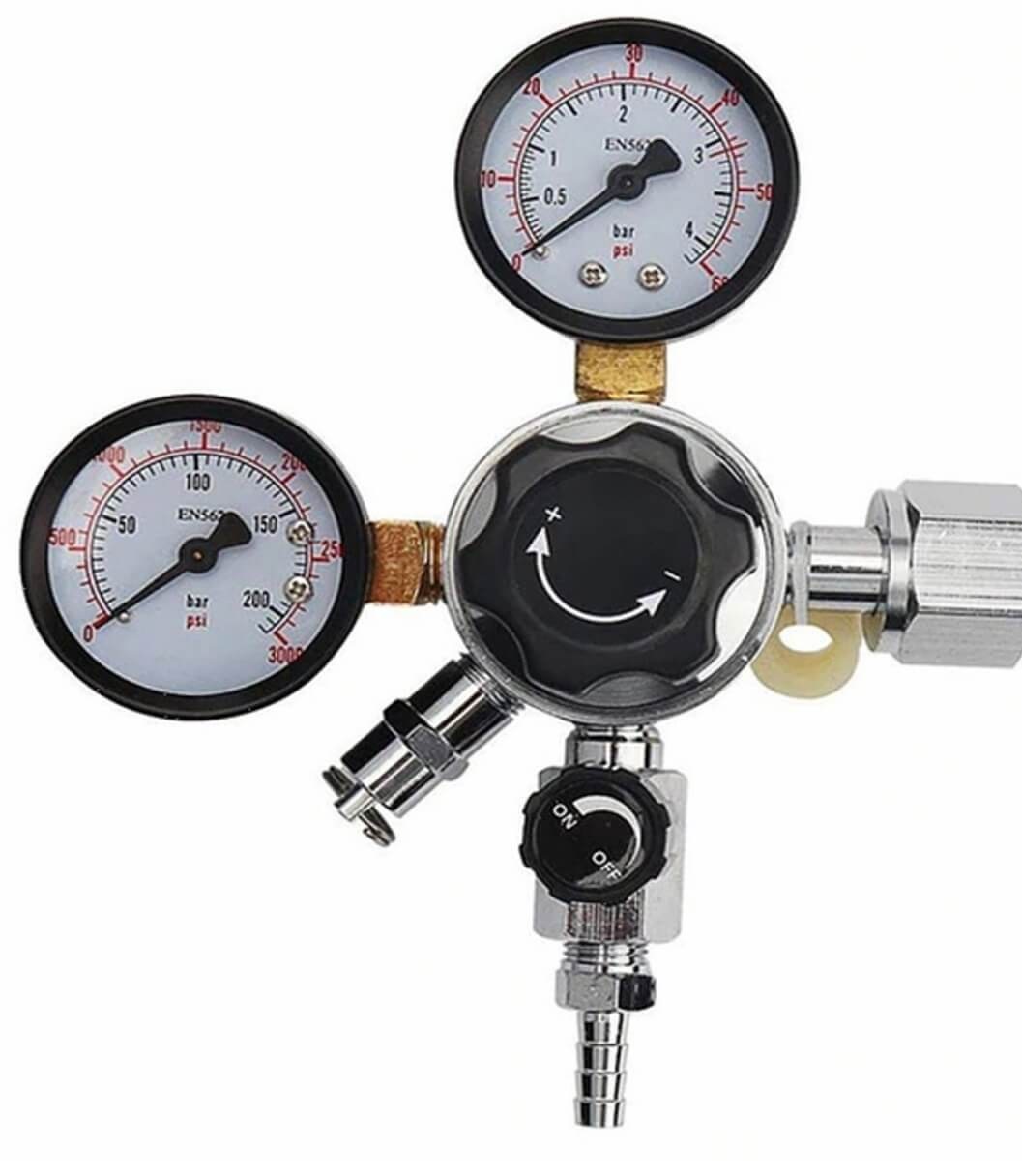
co2 Regulator

Aquatic plants benefit from careful trimming and positioning. Specialized tools can make these tasks more precise while keeping hands away from delicate areas.

  • Plant scissors for neat trimming
  • Long tweezers for planting
  • Root tools for substrate adjustments
  • Small brushes for gentle cleaning
  • Plant weights for secure positioning

For planted aquariums, carbon dioxide equipment can also support healthy growth. Selecting the best co2 regulator can make gas delivery easier to manage and help maintain a consistent setup.

Organization Makes Maintenance Easier

A tidy collection of tools saves time and encourages regular care. After each use, rinsing appropriate equipment with clean water and allowing it to dry can help keep everything ready for the next session.

Simple Organization Ideas

  • Keep cleaning tools together
  • Store testing supplies safely
  • Label containers for easy identification
  • Keep scissors and tweezers dry
  • Place nets where they are accessible
  • Check tools before every maintenance session

Building A Comfortable Routine

Aquarium maintenance does not need to feel complicated. A small collection of useful tools can turn several individual tasks into a straightforward routine. Cleaning the glass, checking water conditions, trimming plants, and removing debris can all become manageable when suitable equipment is available.

With thoughtful organization and consistent care, aquarium tools can support a cleaner, healthier, and more attractive freshwater environment. The result is a relaxing maintenance experience and a thriving underwater display that remains enjoyable to observe every day.

Continue Reading