In the realm of scientific exploration, where the curious minds of researchers often collide with the whimsical wonders of everyday life, the Dancing Popcorn Experiment emerges as an unexpected yet captivating spectacle. From corn kernels to choreography, this experiment seamlessly blends the worlds of science and art, transforming a simple kitchen staple into a mesmerizing dance of motion and heat. The Dancing Popcorn Experiment is a fusion of physics, chemistry, and creativity. It all begins with the humble corn kernel, a staple of pantries and movie theaters alike. In this experiment, the corn kernel takes on a dual role, not just as a tasty snack but also as the protagonist of a scientific performance. The setup is deceptively simple – a heat source, a pot, and corn kernels. However, the magic lies in the precise combination of these elements. As the pot heats up, the corn kernels undergo a fascinating transformation. The heat causes the water within each kernel to turn into steam, building pressure until it reaches a point where the outer shell can no longer contain it. And then, with a pop, the corn kernel bursts open, revealing the fluffy interior that we know as popcorn.
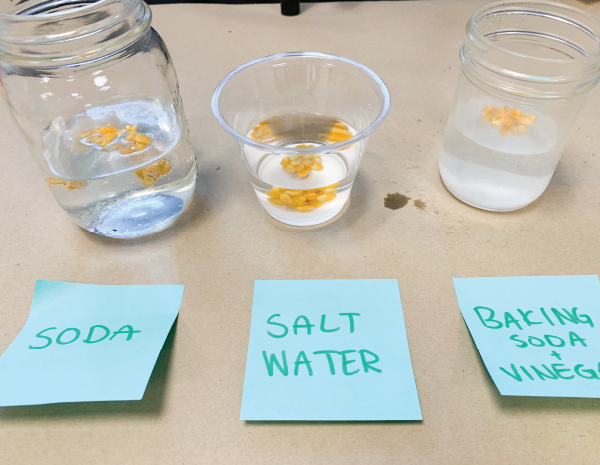
This is the moment when science and art converge. What follows is a dance of motion, a choreography orchestrated by the forces of physics. As the popcorn bursts forth, propelled by the release of pent-up energy, it exhibits a rhythmic and almost choreographed movement. The kernels seem to pirouette and twirl in the air, each following its unique trajectory before gracefully landing in the pot or bowl. The kitchen transforms into a stage, and the popping kernels become the performers in a spontaneous ballet of physics. The Dancing Popcorn Experiment not only captures the attention of science enthusiasts but also draws in those with an appreciation for the arts. The visual appeal of the popping popcorn is akin to a miniature fireworks display, creating a sensory experience that transcends the boundaries between disciplines. Moreover, the experiment serves as an excellent educational tool, making concepts like heat, pressure, and phase transitions tangible and accessible.
It is a reminder that science can be not only informative but also entertaining and visually stunning. Teachers and parents alike can use the Dancing Popcorn Experiment to engage young minds, turning a science lesson into a captivating show that sparks curiosity and encourages further exploration. The flourish of the Dancing Popcorn Experiment extends beyond the kitchen and classroom, finding its way into social media, where enthusiasts share their mesmerizing popcorn choreography with the world. Videos of popping popcorn set to music, slowed down to reveal the intricate details of each burst, have become online sensations, captivating audiences with the unexpected beauty hidden within a seemingly simple snack. From corn to choreography, the Dancing popcorn experiment is a testament to the enchanting intersection of science and art. It transforms a mundane kitchen activity into a mesmerizing spectacle that not only educates but also entertains. As we witness the flourish of this experiment, we are reminded that the beauty of discovery can be found in the most unexpected places, even in the popping of a humble corn kernel.
 This marked the birth of commercial photography, making it accessible to a wider audience. The daguerreotype process involved exposing a silver-coated copper plate to light, creating a unique and detailed image. This breakthrough laid the foundation for subsequent innovations, including the introduction of film photography. The 20th century saw rapid advancements in photographic technology. The invention of flexible film made photography more portable and convenient. Pioneering photographers like Ansel Adams perfected the art of black-and-white photography, showcasing the power of composition and contrast. The development of color film expanded the creative possibilities, allowing photographers to capture the world in vibrant hues. The introduction of 35mm cameras made photography accessible to enthusiasts, democratizing the art form. As the world entered the digital age, the landscape of still photography underwent a seismic shift. Digital cameras replaced film, offering instant previews and the ability to manipulate images with unprecedented ease.
 Choosing a fuel-efficient and appropriately sized vehicle for your move is crucial. If possible, select a moving company that operates a fleet of eco-friendly trucks or one that offers hybrid or electric vehicle options. For short-distance moves, using a smaller vehicle or even carpooling can significantly reduce your carbon footprint. If you are moving across long distances, consider using rail or sea transport for a more sustainable option. The packing process is also a key area where eco-friendly choices can make a difference. Instead of buying new moving boxes, check with local grocery stores, bookshops, or recycling centers for used boxes. When wrapping fragile items, use your clothing or linens as padding, eliminating the need for excess packaging materials. Sustainable packing peanuts made from biodegradable materials are an eco-friendly alternative to traditional Styrofoam. When it comes to cleaning and preparing your new home, opt for environmentally friendly cleaning products. These products are safer for you, your family, and the planet.
 Professionalism: Expect professionalism in every aspect of the move. Movers should arrive on time and in uniform, ready to handle your items with care. They should be well-trained in packing, loading, and unloading, ensuring your belongings are handled safely throughout the journey.